07891 429690
lucy@ariya.org.uk

Brochure Download Here

Investors in people

Home Our Services The people we support Supporting you Our skilled support About Us Working for us Recruitment

Neuro Occupational Therapy

Occupational Therapy at Ariya is underpinned by the Canadian Model of Occupational Performance and Engagement (CMOP-E); this is our practice model/theoretical framework. Central to the CMOP-E is the Canadian Occupational Performance Measure (COPM) assessment tool.

In bolstering recovery following an acquired brain injury, occupational therapy at Ariya considers the Person (who they are, what they do and how they can do it); the impact of injury (physical, cognitive/perceptual, psychologically and emotionally); and how occupation (repeated activities) can underpin engagement and rehabilitation gains. To do this, Ariya Occupational Therapists work collaboratively with Service Users and their families and in an interdisciplinary manner with other disciplines, such as physiotherapy, speech & language, and psychology.

We help to set SMART goals with the GAS (Goal Attainment Scale) measure and encourage self-reported scoring and prioritising of these goals with the COPM. Other outcome measures are widely use across Ariya services, including standardised assessments such as SASNOS and the FIM/FAM through to in-house functional assessment measures.


Examples of OT interventions at Ariya

Upper Limb

Evidence-based practice utilising the National Clinical Guidelines for Stroke (2023) motor recovery section and the ViaTherapy app for intervention planning and weighting.


Task specific practice

Environmentally valid daily task practice of daily living activities to redevelop skills and rehabilitate. For instance, chopping vegetables in someone’s kitchen with set up and support to involve both arms, or drumming on an acoustic drum kit.


Electrical stimulation (both cyclical/passive and functional)

Passive electrical stimulation for wrist extension.

Passive electrical stimulation for shoulder subluxation.


Functional electrical stimulation


Wireless electrical stimulation


Standing posture with electrical stimulation


Gripable for range of movement repetitions and grip strength

A gentleman within our Chesterfield service, Elizabeth House is a guitarist and explained that his stroke limited his grip strength and range of movement through his left wrist (tight into supination). We utilised the Gripable device to target these movements repetitively in daily game-based therapy.

Quick gains of range into supination with Gripable.

His range into supination increased with daily practice allowing better access to the chords when moving up the neck of his guitar.


Independent community access

Graded, long-arm supervision programmes.


Leisure and vocation

Access and support to engage in meaningful, role-based rehabilitation activities with real value to participants and the community.

Ariya House, Barnsley,
woodwork shop:


Public transport – travel training

Redeveloping use of public transport to access community appointments, leisure activities, home and family, and meaningful vocation roles.


Meaningful occupation

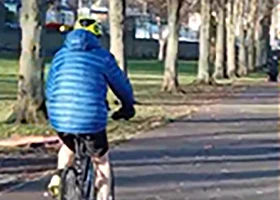
Graded redevelopment of cycling skills. Resumed membership of local cycling forum and helping out at their events.

Frequently targeted interventions and goal areas within OT therapy:

  • Upper limb rehabilitation
  • Task specific practice
  • Electrical Stimulation (TENS, Cyclical or Passive, and Functional)
  • Sensory and mirror box therapy
  • Constraint Induced Movement Therapy
  • Skill redevelopment across activities of daily living

Targeted intervention equipment at Ariya includes Gripable devices, electrical stimulation (wired and wireless), MotoMed upper and lower limb bikes with RehaMove FES, Standing frames (with mechanical assist), tilt table, Standing/walking track hoist, sessional community-base hydrotherapy.


We use the following techniques to support individuals with their goals:

  • En-suite apartments with kitchen facilities
  • Neurofunctional approach/li>
  • Procedural learning
  • Positive reinforcement
  • Prime, remind and review

 
Terms and Conditions Privacy Policy Links and Resources Contact Us